On 05/11/2026, Bpifrance launched Bpifrance Amorçage Industriel 2 (BAI 2), a €75 million fund for industrial startups that want to manufacture in France without relying on a breakthrough technology. The launch was announced by Raphaël Didier, head of Bpifrance's industrial seed division, in an interview published by Maddyness the same day. The fund aims for 20 to 25 new investments over four to five years.
What BAI 2 finances
- Target companies: so-called "non-deeptech" startups that develop a differentiating product or process for an existing market and want to manufacture, or have their products manufactured, in France.
- Timing: after an initial research and development phase, when the company has prototypes or first production runs and is moving into industrialisation and commercial scale-up.
- Form: minority stakes, in equity and quasi-equity, alongside institutional and private investors.
- Amounts: initial tickets of €500,000 to €2 million, in funding rounds of roughly €1.5 million to €15 million.
- Follow-on to the first fund: BAI 2 succeeds a first €50 million fund launched in April 2023, bringing Bpifrance's resources for this segment to €125 million. The first fund keeps reserves for its current holdings; BAI 2 is dedicated to new ones.
Why this fund matters for industry
According to Bpifrance figures reported by Maddyness, non-deeptech industrial startups make up about two thirds of French industrial startups, more than 2,300 active companies. Between 2022 and 2025, they attracted only 15% of the funds raised by all industrial startups, yet they accounted for 59% of startup factory openings.
For a manufacturer, these companies often become suppliers: equipment, a component or a process made in France, by a company that needs orders and capital to move from first production runs to full production. Funding at this stage widens the local supply available to factories and makes these suppliers more robust when a customer qualifies them.
The first fund has around fifteen holdings, several of which sell to manufacturers: Isybot (sanding robots), Galam Robotics, Eclore Actuators, Battri (lithium-ion battery recycling) and Elixir Aircraft (light aircraft). For industrial robotics solutions, our topic page brings together the show's talks, articles and exhibitors.
According to Bpifrance, each euro invested by the first fund attracted an average of €4 of private capital. Raphaël Didier sums up the specific difficulty of these companies: the industrial venture is even harder than the entrepreneurial one, with industrialisation, certification and sales to manage at the same time.
This launch is part of the reindustrialization movement: our guide gives the definition, the official figures and the levers.
What manufacturers said at Tech for Industry Show
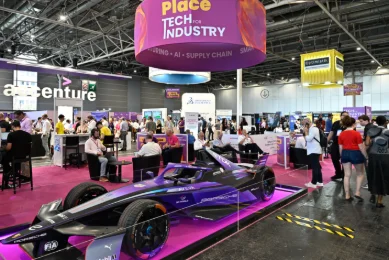
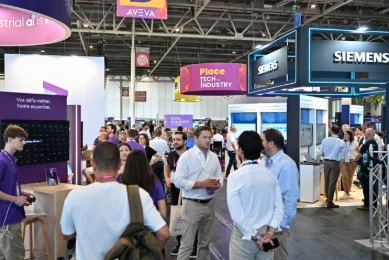
At Tech for Industry Show 2026, Raphaël Didier (Bpifrance) took part in a round table on funding industrial startups. He pointed to a slowdown in small seed rounds while large rounds were accelerating, and noted that once the factory is built, the hardest part is running it and winning the contracts. The speakers agreed on one point: the best funding is still the customer. Read the article
Bpifrance and the Collectif Startups Industrielles France are among the institutional partners of Tech for Industry Show 2027, on 19 and 20 May 2027.
Frequently asked questions
What is Bpifrance Amorçage Industriel 2?
A €75 million fund managed by Bpifrance, launched on 05/11/2026, which invests in non-deeptech industrial startups that are industrialising and that manufacture, or have their products manufactured, in France.
How much can a startup receive?
An initial ticket of €500,000 to €2 million, in a funding round of roughly €1.5 million to €15 million, as a minority stake.
How many companies will the fund back?
Between 20 and 25 new investments over four to five years, according to Bpifrance.
How is it different from the first fund?
Its size: €75 million, against €50 million for the first fund launched in April 2023. The target and investment rules are unchanged.