Digital lean, or lean 4.0, combines the principles of lean, which eliminates waste and reduces variability, with the plant's digital technologies: sensors, production software, operator apps, data analysis. It is not a new method: the principles remain those of lean; digital changes how fast a problem is seen, handled and the fix extended. It only works on processes that are already standardised.
Digital lean: definition
The term describes the meeting of two movements: lean, which comes from the Toyota Production System, and Industry 4.0. Deloitte defines it as the combination of timeless lean principles and constantly evolving digital technologies to reduce waste and process variability. Researchers also speak of lean automation: the integration of lean practices and Industry 4.0 technologies.
What digital lean is not:
- a new method replacing lean: pull flow, standardisation and problem solving remain the foundation;
- an IT project: the tool serves a shop-floor indicator, not the other way round;
- a synonym for operational excellence, which is the target result that digital lean serves. See our guide Operational excellence: definition, methods, OEE and the role of digital.
What research says
A survey of more than 200 manufacturing firms, published in 2022 in the International Journal of Production Research, tested the link between lean automation and performance. It measured productivity, delivery, inventory and quality, and found a positive correlation between integrating lean practices with Industry 4.0 technologies and operational performance. It identifies two components: one aimed at operational stability, the other at streamlining the flow to the customer.
What digital changes in lean tools
- Electronic kanban: an RFID tag or barcode on the bin automatically triggers the replenishment request. The pull principle invented at Toyota stays, without lost cards or re-keying.
- Digital visual management: shop-floor boards become screens fed by production data, up to date without copying, viewable across sites.
- Connected andon: the operator flags a problem from the workstation, and the alert goes straight to the right person instead of waiting for the team leader to come by.
- Digital standard work: instructions on tablets, versioned, updated everywhere at once, translated for other sites.
- Data-driven flow mapping: process mining reconstructs actual processes from the traces left in software (ERP, MES), whereas a value stream map is drawn by hand on the shop floor.
- Equipped routines: daily meetings, shop-floor audits and action tracking entered and traced in an app rather than on paper.
Pitfalls to avoid
- Digitising disorder: if processes are not standardised and followed, data is neither reliable nor continuous, and the tool has nothing accurate to show.
- Starting from technology: exploring a tool rather than solving the shop floor's most urgent problem. Deloitte speaks of "pilot purgatory": a string of pilots that never scale up and wear teams out.
- Measuring without deciding: one more screen is useless if no routine uses what it shows.
- Forgetting the operator: the tool must make their work simpler, or they go back to paper.
What manufacturers said at Tech for Industry Show
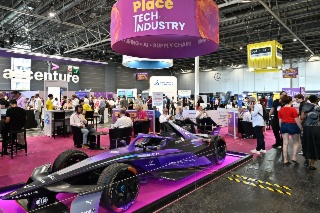
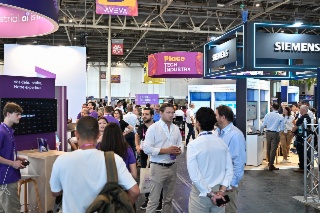
At Tech for Industry Show 2026, at Paris Expo Porte de Versailles:
- LVMH Beauty found that, in the six French plants followed, most shop-floor managers assigned their staff using spreadsheets; at Dior Parfums, fifteen to twenty of them spent more than half a day a week on it. Since 2022, assignment has been assisted or automated depending on site size, saving hundreds or even thousands of hours. An unexpected effect: screens showing each employee's workstation made production start-ups more reliable and faster. Read the article
- Bonduelle has to reorganise the posts of hundreds of seasonal workers day by day when a harvest does not go to plan. What used to be done around large boards and by phone, one person at a time, now runs through a digital tool and text messages. Read the article
- BMW, according to Celonis, uses process mining on the synchronisation of its engine assembly lines, to avoid delivery delays caused by mismatches between parallel lines. Read the article
- Thales takes Toyota as its model: a company known first for its production system and continuous improvement. The group wants to become a reference in aerospace and defence for how things are made, and steers its digital choices by value: each tool is chosen according to the productivity and throughput to be reached. Read the article
- Azumuta described a continuous improvement module where operators report faulty equipment or a deviation from their workstation, with an automatic notification sent to the right person. Poka described digital daily management: line start-up forms and checklists signed electronically, showing who started a line, when, and with which validated skills. Read the Azumuta article and the Poka article
The talks can be watched again as replays: The augmented operator: what if IT held the key to Industry 5.0, Trust-based industry at scale: Thales with SAP on S3NS.
The 2027 exhibitors equipping digital lean
To meet at Tech for Industry Show 2027 (in alphabetical order):
- Celonis: process mining, which reconstructs actual processes from the data in the company's systems.
- Mercateam: a platform for managing skills and assigning production teams.
- Poka: a connected work platform for operators: instructions, training, daily management.
- PRODEO (UMANFORGE): a platform that digitises management routines, shop-floor audits, problem solving and action tracking.
How to start a digital lean approach
1. Check the lean foundation: written and applied standards, daily routines, problem solving. Without them, start there.
2. Start from a measured waste: waiting, inventory, stoppages, rework, with the indicator that tracks it.
3. Choose the simplest tool that speeds up the "see, fix, standardise" loop on that waste.
4. Test on a pilot line, with operators and their managers, and measure before and after.
5. Standardise the solution, then extend it to other lines and other sites.
6. Connect the tools (ERP, MES, operator apps) so each piece of data is entered only once.
Frequently asked questions
What is digital lean?
Combining lean principles with the plant's digital technologies, to reduce waste and variability faster. The principles do not change; the tools and the speed of response do.
What is the difference between digital lean and lean 4.0?
None in substance: both terms refer to integrating lean with Industry 4.0 technologies. Researchers also speak of lean automation.
What are the tools of digital lean?
Electronic kanban, on-screen visual management, connected andon, digital work instructions, process mining and apps for tracking routines and actions.
Should you do lean before digitising?
Yes: if processes are not standardised, data is not reliable, and digital tools only measure an unstable process more precisely.
What is the difference between digital lean and operational excellence?
Operational excellence is the target result: meeting quality, cost, delivery and safety commitments every day. Digital lean is one way of getting there.